🏔️ Machu Picchu: The Jewel of the Inca Empire and Its Legacy in Cusco
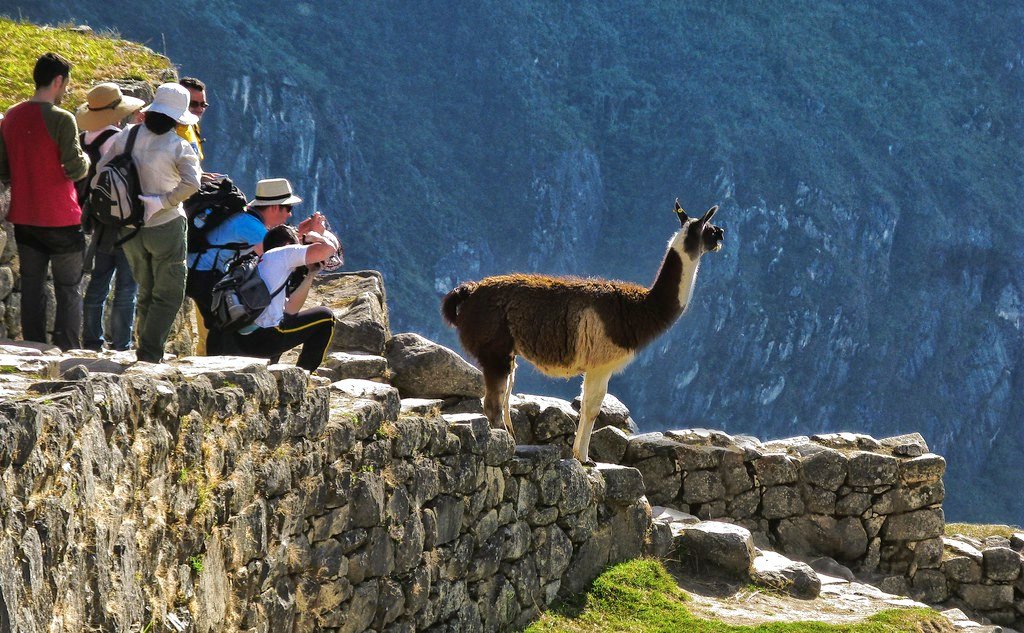
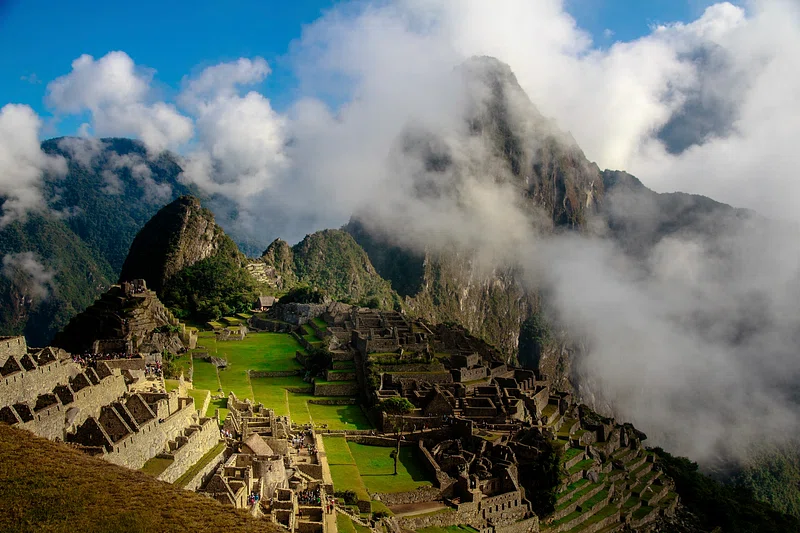
To speak of Cusco is, inevitably, to speak of Machu Picchu. This impressive Inca citadel is not only one of the world’s most important tourist destinations, but also the most iconic symbol of the history, culture, and identity of the entire region. Its presence has profoundly shaped Cusco’s history, making it a key destination for travelers, researchers, and history enthusiasts seeking to uncover the secrets of the ancient Inca Empire.
🏛️ The Origins and History of Machu Picchu
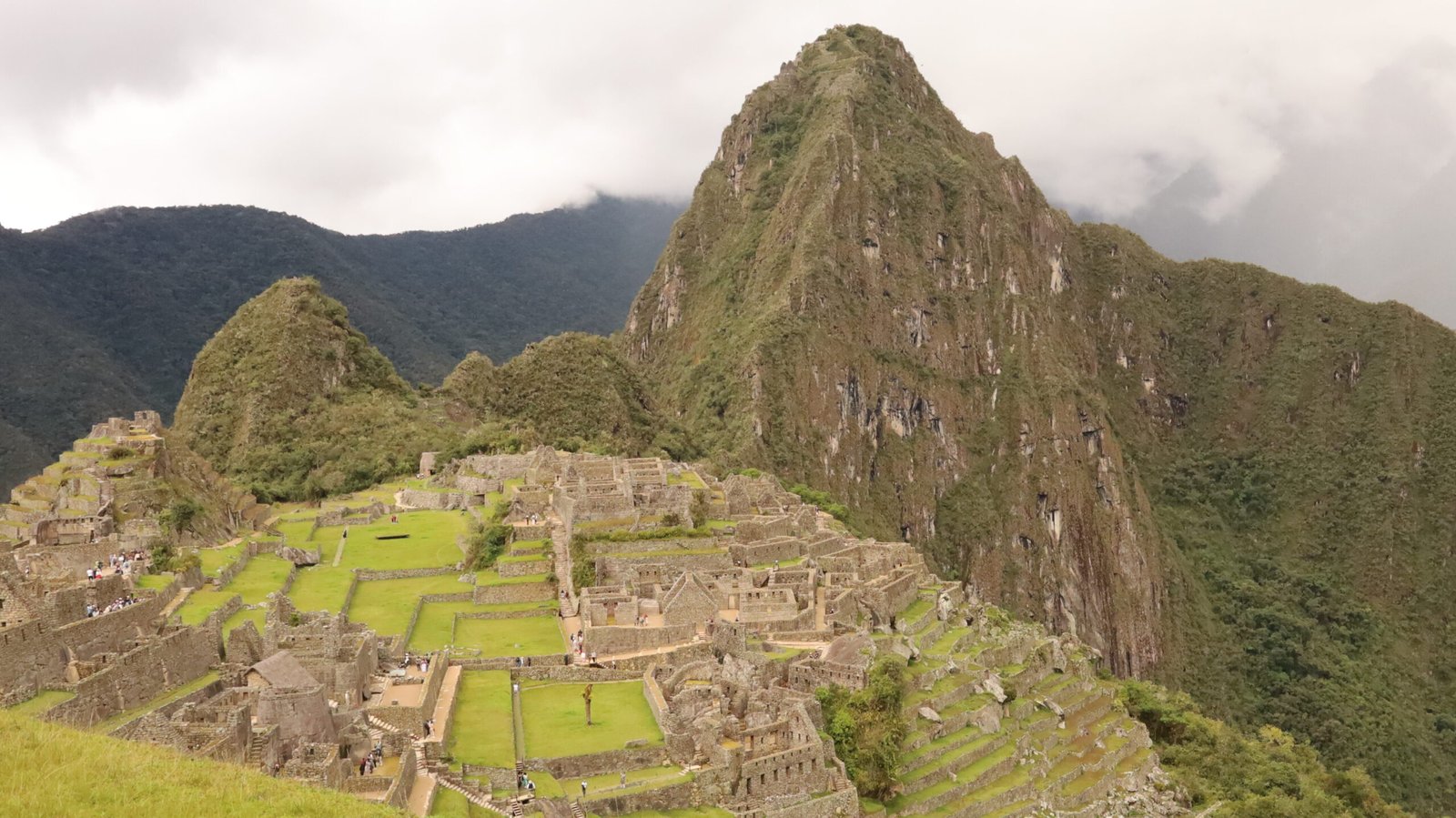
Machu Picchu was built in the 15th century during the reign of the Inca Pachacútec, one of the most important rulers of the empire. It is believed that this citadel served religious and political purposes and also served as a residence for the Inca elite. Nestled among mountains and surrounded by jungle, its construction demonstrates advanced knowledge of architecture, engineering, and adaptation to the natural environment. Despite the passage of time, its structures remain standing, reflecting the incredible skill of the Incas.
🔍 Rediscovery and global recognition
Although it was never truly “lost” to local communities, Machu Picchu was introduced to the world in 1911 by the explorer Hiram Bingham. From that moment on, the site began to gain international recognition, eventually becoming one of the Seven Wonders of the Modern World and an icon of Peru.
The significance of Machu Picchu has made Cusco the main gateway for thousands of tourists each year. Most travelers begin their journey in Cusco, from where various routes lead to the citadel. The journey to Machu Picchu is not just a trip, but a complete experience. You can get there by train, passing through the spectacular landscapes of the Sacred Valley, or by hiking trails such as the famous Inca Trail, which allows you to experience a deeper connection with nature and history.
🌿 Conservation and Cultural Value
Despite its popularity, Machu Picchu remains a sacred site. Various measures have been implemented to protect it, such as limiting the number of visitors and preserving its natural environment. Beyond its beauty, this site represents the legacy of a civilization that managed to live in harmony with nature, leaving a lesson that remains relevant today.Duis aute irure dolor in reprehnderit in voluptate velit esse cillum dolore eu fugiat nulla pariatur. Excepteur sint occaecat cupidatat non proident, sunt in culpa qui officia deserunt mollit anim id est laborum